
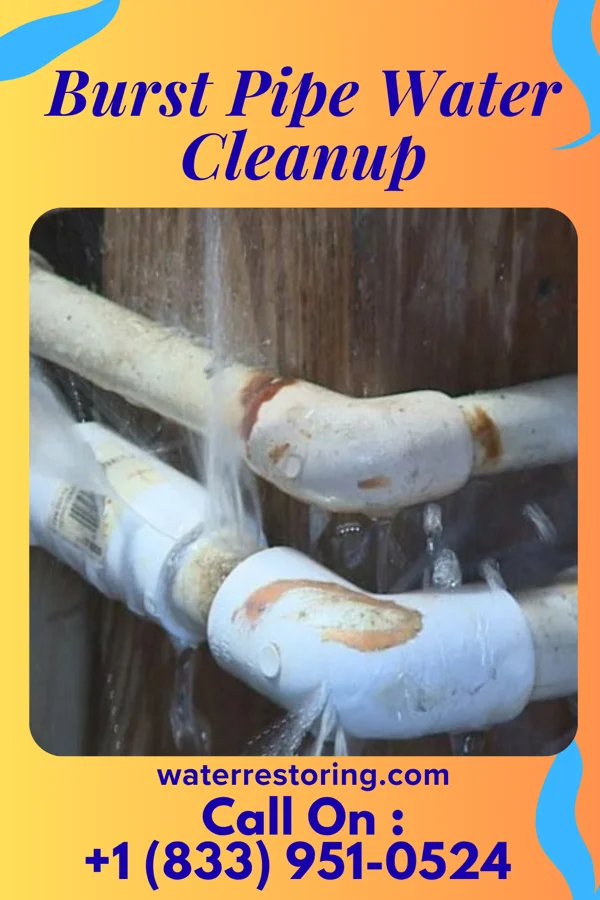
Why Burst Pipes Hit Little Cypress Hard
The pattern in Little Cypress is consistent. Little Cypress, Texas, experiences a mix of rural and suburban development, which can lead to older infrastructure in some areas. The presence of nearby towns like Orange and West Orange means that water lines can be prone to pressure fluctuations and aging pipes, increasing the risk of sudden pipe bursts. drives most of the emergency restoration calls we get. A close second is The region's proximity to forests and natural water sources, such as the Neches River, can lead to ground instability and soil movement, which may affect underground piping systems. Additionally, the rural layout of Little Cypress can delay detection of pipe issues, leading to more severe damage..
Little Cypress, Texas, has a humid subtropical climate with hot summers and mild winters. This climate contributes to higher moisture levels in the air and soil, which can stress piping systems and increase the risk of pipe bursts, especially during periods of extreme weather or sudden temperature changes.
Little Cypress, Texas, has a humid subtropical climate with hot summers and mild winters. This climate contributes to higher moisture levels in the air and soil, which can stress piping systems and increase the risk of pipe bursts, especially during periods of extreme weather or sudden temperature changes. The dominant local driver is Little Cypress, Texas, experiences a mix of rural and suburban development, which can lead to older infrastructure in some areas. The presence of nearby towns like Orange and West Orange means that water lines can be prone to pressure fluctuations and aging pipes, increasing the risk of sudden pipe bursts., with The region's proximity to forests and natural water sources, such as the Neches River, can lead to ground instability and soil movement, which may affect underground piping systems. Additionally, the rural layout of Little Cypress can delay detection of pipe issues, leading to more severe damage. showing up as the next most common cause. Damage builds in stages. Spread. Absorption. Microbial growth. Structural compromise. Every stage you pass through adds to the final bill.